
Affordable Concrete Work Services in Arcadia, CA | Classic Builders Inc.
Concrete is an important part of many residential and commercial construction projects. From driveways and walkways to patios, slabs, and building foundations, quality concrete work provides a durable surface and a dependable base for the features built around it. However, a successful project requires more than pouring concrete. Proper planning, site preparation, material selection, drainage considerations, finishing, and curing all influence the final result.
For property owners seeking professional concrete work services in Arcadia, CA, understanding these factors can make it easier to plan a project that meets practical needs and complements the property. Classic Builders Inc. provides construction and general contracting services, including concrete work, to support property owners with projects that require careful coordination from preparation through completion.
Whether you are considering a new concrete installation, improving an existing outdoor area, or incorporating concrete into a larger construction project, the right approach begins with a clear understanding of your property’s requirements.
What Do Professional Concrete Work Services Include?
Concrete work covers a range of applications, and the appropriate scope depends on the purpose of the installation, the condition of the site, and the surrounding structures.
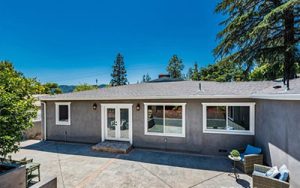
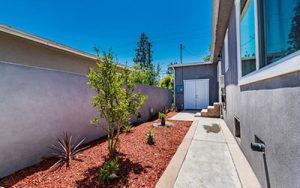
Common residential concrete projects may include:
-
- Driveways and parking areas: Concrete surfaces provide designated spaces for vehicles and everyday access to a property.
-
- Walkways and pathways: Properly planned walkways improve access between entrances, outdoor spaces, and other areas of a property.
-
- Patios and outdoor living areas: Concrete patios create functional spaces for seating, entertaining, and general outdoor use.
-
- Concrete slabs: Slabs may serve as bases for specific structures or other planned improvements, depending on the design and structural requirements.
-
- Foundation-related concrete work: Concrete may form part of a building’s foundation system, requiring appropriate planning and attention to structural considerations.
-
- Commercial concrete surfaces: Businesses may need concrete installations suited to pedestrian access, parking, circulation, or other property requirements.
Not every project calls for the same materials, preparation methods, or construction approach. A driveway, for example, has different functional demands from a slab intended to support a structure. Defining the intended use early helps establish the appropriate project scope.
Planning a Concrete Project in Arcadia, CA
Before construction begins, property owners should identify what they want the new concrete to accomplish. A clear plan helps guide decisions about layout, materials, preparation, and finishing.
Assess the Existing Property
The first consideration is the condition of the proposed work area. Existing surfaces, uneven ground, access limitations, nearby structures, and visible drainage issues may influence how the project should be planned.
For replacement work, the condition of the existing concrete also matters. Cracking, surface deterioration, uneven sections, or recurring water accumulation can indicate different underlying concerns. These observations do not automatically determine the appropriate solution, but they help identify questions that should be addressed during a professional assessment.
If concrete work forms part of a larger renovation or new construction project, the assessment should also consider how the installation connects with the surrounding property and planned improvements.
Establish the Project Scope
Once the site has been reviewed, determine the intended dimensions, use, appearance, and functional requirements of the installation. Consider how people will move through the area, where vehicles will travel, and how the concrete will meet adjacent surfaces.
For projects involving foundations or other load-bearing applications, structural requirements must guide planning. The appropriate design and construction details depend on the intended use and site conditions.
A clearly defined scope also helps property owners understand which preparation tasks, materials, finishing details, and related construction activities are included in the project.
Choosing Concrete Materials and Finishes
Concrete should be selected according to the demands of the installation rather than appearance alone. Different applications have different performance requirements, and material choices should reflect the purpose of the finished surface.
Consider Durability and Intended Use
Driveways and parking areas experience vehicle traffic, while patios and walkways serve different everyday purposes. Structural concrete applications require additional attention to their intended loads and design requirements.
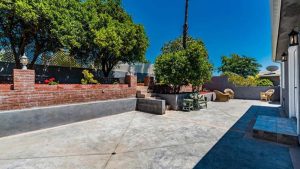

Discuss the planned use with your contractor before choosing a construction approach. This allows material and installation decisions to be considered in the context of the actual project rather than relying on a one-size-fits-all solution.
Select a Suitable Finish
The finish affects both the appearance and usability of concrete. A straightforward finish may suit a functional driveway, while a patio may benefit from a decorative appearance that complements the surrounding architecture.
Color, texture, edge details, and the transition between concrete and adjacent materials can all influence the finished result. For walking surfaces, traction and practical use should remain priorities alongside appearance.
Property owners should review these details before construction begins. Agreeing on the intended finish helps establish realistic expectations and reduces uncertainty during the final stages of the project.
Why Site Preparation and Drainage Matter
The quality of concrete work depends significantly on what happens before the material is placed. Inadequate preparation can contribute to problems that are difficult to correct after installation.
Preparing the Work Area
Site preparation may involve clearing the designated area, addressing unsuitable ground conditions, removing existing concrete where necessary, and preparing the base according to the project’s requirements.
The appropriate preparation method depends on the site, the intended application, and the design. Projects involving structural concrete may require more detailed planning than a simple surface improvement.
Access for construction activities, protection of nearby property features, and coordination with other planned work should also be considered. These details help create a more organized construction process.
Managing Water Flow
Drainage deserves particular attention in Arcadia, where property owners should consider how rainfall and surface runoff move across their sites. Water that collects beside a concrete surface or flows toward a building can create maintenance concerns and may affect surrounding areas.
The planned slope, surface elevation, and relationship to existing drainage conditions should be evaluated before installation. Concrete should not simply redirect water toward another problem area.
A professional site assessment can help identify relevant conditions and determine whether the project requires adjustments to its layout or preparation.
What to Expect During Concrete Installation
A well-managed concrete project follows a process tailored to the specific installation. Although details vary, several stages commonly contribute to a successful result.
Preparation and layout: The work area is established according to the agreed scope, with attention to dimensions, elevations, and surrounding features.
Base and form preparation: The required base and forms are prepared where applicable. These elements help establish the intended shape and support the planned installation.
Concrete placement: Concrete is placed according to the requirements of the project. Timing and coordination matter because placement and finishing activities must work together.
Finishing: The surface is finished to achieve the agreed appearance and functional characteristics. Edges, transitions, and surface texture deserve attention at this stage.
Curing and protection: Concrete needs appropriate curing conditions to develop its intended properties. The required approach depends on the materials, site conditions, and project specifications. Property owners should follow the contractor’s instructions regarding access and use while the concrete cures.
Final review: The completed work should be reviewed for its appearance, finish, consistency with the agreed scope, and any relevant functional details.
Understanding these stages helps customers know what to expect and why preparation, coordination, and finishing are important parts of professional concrete services.
Repair or Replace Existing Concrete?
Property owners sometimes need to decide whether damaged concrete should be repaired or replaced. The right choice depends on the extent of the damage, the condition of the surrounding area, and the cause of the problem.
Minor surface defects may be different from widespread cracking, significant displacement, or deterioration associated with underlying site conditions. A surface-level repair may improve appearance without addressing the reason damage occurred.
Replacement may be worth evaluating when deterioration is extensive or when the existing installation no longer meets the property’s needs. However, visible damage alone does not establish which option is appropriate.
A professional assessment can help clarify the available options, the work involved, and whether related drainage or preparation concerns should be addressed as part of the project. This is especially important when concrete is connected to a building or serves a structural purpose.
Choosing a Concrete Contractor in Arcadia, CA
Selecting a contractor involves more than comparing descriptions of services. Property owners should look for a clear process for evaluating the site, defining the scope, discussing materials, and coordinating construction.
Consider asking these questions before proceeding:
-
- Has the contractor assessed the actual conditions and intended use of the installation?
-
- Is the proposed scope clear about preparation, placement, finishing, and cleanup responsibilities?
-
- Have material choices and surface finishes been discussed?
-
- How will drainage, adjacent structures, and access be considered?
-
- What curing and access instructions should the property owner expect?
-
- How will the completed work be reviewed against the agreed requirements?
Clear communication helps both parties understand the project’s objectives and practical limitations. It also makes it easier to identify potential issues before construction begins.
For larger projects, consider whether the contractor can coordinate concrete work with other necessary construction stages. This may be especially useful when a new slab, foundation-related work, or exterior improvement forms part of a broader building or renovation plan.
Concrete Work for Residential and Commercial Properties
Concrete requirements vary depending on how a property is used. Homeowners may prioritize driveway access, outdoor living space, appearance, and convenient movement around the property. Commercial property owners may place greater emphasis on circulation, durability, access requirements, and coordination with business operations.
In either setting, the installation should be planned around the property’s actual needs. Material selection, surface layout, preparation, and finishing should support the intended use without overlooking surrounding conditions.
When concrete is part of a larger construction project, coordinating related activities can help maintain consistency across the work. Classic Builders Inc. offers construction and general contracting services, allowing property owners to discuss concrete requirements in the context of a broader project when additional construction work is needed.
The exact scope depends on the property’s condition, project objectives, and applicable construction requirements.
Plan Your Concrete Project With Classic Builders Inc.
Professional concrete work begins with understanding the site, choosing an appropriate construction approach, and paying attention to the details that influence the finished installation. Preparation, drainage, material selection, curing, and final review all contribute to a result that suits the property’s intended use.
For homeowners and commercial property owners seeking concrete work services in Arcadia, CA, Classic Builders Inc. can be considered for concrete installations and related construction needs. Based in Sun Valley, CA, the company serves Arcadia and other selected communities, including Pasadena, Glendale, Burbank, and North Hollywood.
